
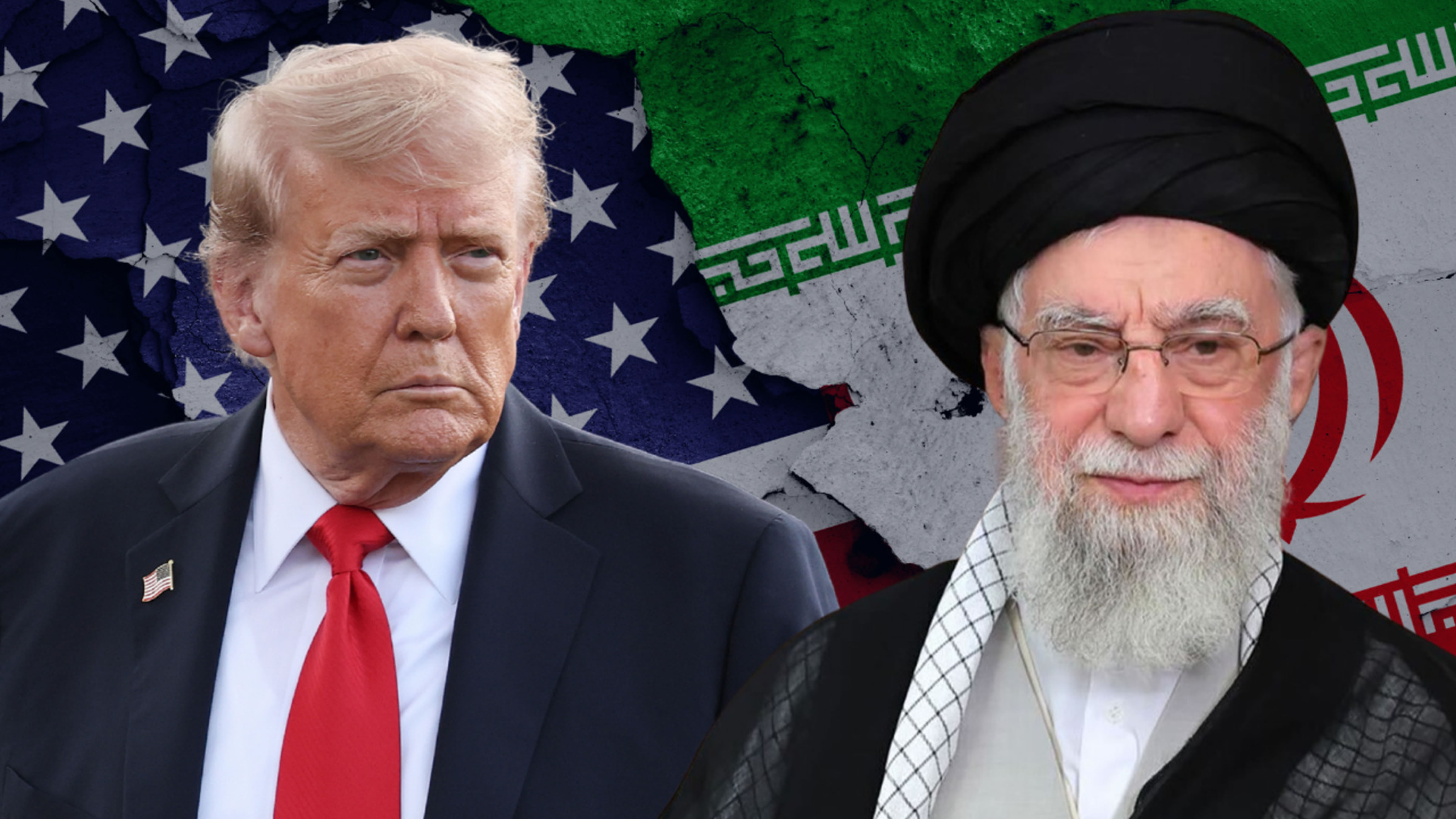
The relationship between the United States and Iran has long been defined by tension, mistrust, and periodic escalation. Under the leadership of Donald Trump, this already fragile dynamic entered a new and volatile phase. What began as a campaign of “maximum pressure” evolved into a broader confrontation that, despite bold rhetoric and decisive military actions, failed to achieve its central objectives.
Rather than producing a clear victory or meaningful strategic gains, Trump’s Iran policy has increasingly been viewed by analysts as an example of overreach, misaligned goals, and unintended consequences. The gap between what was promised and what was ultimately achieved raises important questions about the limits of power, the complexity of regional politics, and the challenges of modern warfare.
This article explores the key reasons why Trump’s Iran strategy fell short, examining the political, military, economic, and diplomatic dimensions of a policy that reshaped the Middle East—but not in the way its architects intended.
The Promise of “Maximum Pressure”
When Donald Trump withdrew the United States from the Joint Comprehensive Plan of Action in 2018, his administration introduced a new approach centered on economic sanctions, diplomatic isolation, and the implicit threat of military force.
The goal was straightforward: force Iran to renegotiate on terms far more favorable to the United States. These terms included:
- Ending Iran’s nuclear ambitions permanently
- Halting ballistic missile development
- Reducing or eliminating regional proxy activities
- Accepting stricter international oversight
The strategy assumed that intense economic pressure would weaken Iran internally, pushing its leadership toward concessions or even collapse.
However, this assumption underestimated Iran’s resilience.
Economic Pressure Meets Political Resistance
Sanctions imposed by the United States had a severe impact on Iran’s economy. Inflation surged, currency values dropped, and ordinary citizens faced increasing hardship. On paper, this appeared to validate the “maximum pressure” approach.
Yet, instead of leading to capitulation, the pressure produced a different outcome.
Iran’s leadership adapted by strengthening domestic industries, increasing reliance on regional trade networks, and deepening ties with countries such as China and Russia. These partnerships helped mitigate the effects of sanctions and provided alternative economic lifelines.
More importantly, external pressure reinforced internal unity. Rather than sparking widespread political collapse, the situation allowed Iranian authorities to frame the crisis as a matter of national sovereignty, rallying public support against foreign interference.
Military Escalation Without Resolution
Tensions escalated significantly following a series of military actions and retaliations. The United States demonstrated its superior firepower through targeted strikes, cyber operations, and regional deployments.
However, military superiority did not translate into strategic success.
Iran responded asymmetrically, leveraging:
- Regional proxy groups
- Cyber warfare capabilities
- Strategic geographic advantages
This approach allowed Iran to continue exerting influence without engaging in direct large-scale confrontation. It also ensured that the conflict remained unpredictable and difficult to control.
The result was a prolonged cycle of escalation and retaliation, with no clear endpoint or decisive turning point.
The Strait of Hormuz Factor
A critical element in the conflict was Iran’s ability to influence the Strait of Hormuz, one of the world’s most important oil transit routes.
Despite U.S. military presence in the region, Iran retained the capability to disrupt shipping and threaten global energy supplies. Even limited disruptions had outsized effects on international markets, driving up oil prices and increasing economic uncertainty worldwide.
This leverage highlighted a key weakness in the U.S. strategy: while it could inflict damage on Iran, it could not fully neutralize Iran’s ability to impose costs in return.
Diplomatic Breakdown
Diplomacy, which might have provided an off-ramp from escalating tensions, became increasingly sidelined.
The withdrawal from the Joint Comprehensive Plan of Action damaged trust not only between the United States and Iran but also among U.S. allies. European nations that had supported the agreement found themselves caught between maintaining relations with Washington and preserving diplomatic channels with Tehran.
Efforts to renegotiate a new deal faced significant obstacles:
- Iran demanded sanctions relief before talks
- The U.S. insisted on broader concessions
- Mutual distrust hindered meaningful engagement
This stalemate contributed to a diplomatic vacuum, leaving military and economic tools as the primary instruments of policy.
Strengthening Regional Tensions
Rather than stabilizing the Middle East, the strategy contributed to increased volatility across the region.
Countries such as Saudi Arabia and Israel supported a tougher stance against Iran, but they also faced heightened security risks as tensions escalated.
Meanwhile, conflict zones in Syria, Iraq, and Yemen became arenas for indirect confrontation.
Instead of reducing Iran’s regional influence, the situation often reinforced it, as Iran doubled down on its network of alliances and proxies to counter U.S. pressure.
Misjudging Regime Stability
One of the central assumptions behind the policy was that sustained pressure would destabilize Iran’s political system.
This assumption proved incorrect.
Iran’s governance structure, which combines political, military, and religious authority, demonstrated a high degree of resilience. Leadership transitions, internal adjustments, and centralized control mechanisms allowed the regime to maintain stability even under severe external pressure.
Rather than collapsing, the system adapted—and in some cases, became more rigid and resistant to change.
Global Power Shifts
The confrontation also had broader geopolitical implications.
As the United States focused on Iran, other global powers seized opportunities to expand their influence. China increased its economic engagement in the region, while Russia strengthened its political and military presence.
This shift contributed to a more multipolar international environment, in which U.S. dominance was less pronounced.
In effect, the Iran strategy not only failed to isolate Tehran completely but also accelerated changes in the global balance of power.
The Cost of Strategic Ambiguity
A recurring issue throughout the policy was the lack of a clearly defined endgame.
What constituted success?
- Was it regime change?
- A new nuclear deal?
- Long-term containment?
Without a clear answer, the strategy became reactive rather than proactive. Decisions were often driven by immediate developments rather than a coherent long-term plan.
This ambiguity made it difficult to measure progress and contributed to perceptions of inconsistency.
Humanitarian and Ethical Concerns
The impact of the policy extended beyond governments and military forces to ordinary people.
Sanctions and conflict conditions led to:
- Reduced access to essential goods
- Strain on healthcare systems
- Increased economic hardship
These effects raised ethical questions about the broader consequences of the strategy.
Critics argued that while the policy aimed to pressure the government, it disproportionately affected civilians, complicating the moral justification for continued escalation.
Lessons Learned
The shortcomings of Donald Trump’s Iran policy offer several important lessons for future policymakers:
- Economic pressure has limits
Sanctions alone may not achieve political transformation, especially in resilient states. - Military power cannot solve everything
Tactical victories do not guarantee strategic success. - Diplomacy remains essential
Sustainable solutions often require negotiation and compromise. - Understanding the opponent is critical
Misjudging Iran’s resilience and adaptability contributed to flawed assumptions. - Clear objectives matter
Without a defined endgame, even powerful strategies can drift and lose effectiveness.
Conclusion
The Iran policy pursued by Donald Trump was ambitious, aggressive, and highly consequential. It reshaped regional dynamics, altered global relationships, and demonstrated the reach of American power.
Yet, when measured against its core objectives, it ultimately fell short.
Iran did not capitulate. Its regional influence persisted. A comprehensive new agreement was never achieved. And the broader geopolitical landscape became more complex rather than more stable.
In the end, the strategy serves as a case study in the challenges of modern statecraft—where power must be balanced with precision, and where success depends not only on strength but also on strategy, understanding, and adaptability.
As future leaders confront similar challenges, the lessons of this period will remain highly relevant, offering both cautionary insights and opportunities for more effective approaches.




Comments (0)
Log in or register to leave a comment.
No comments yet. Be the first to share your thoughts!