
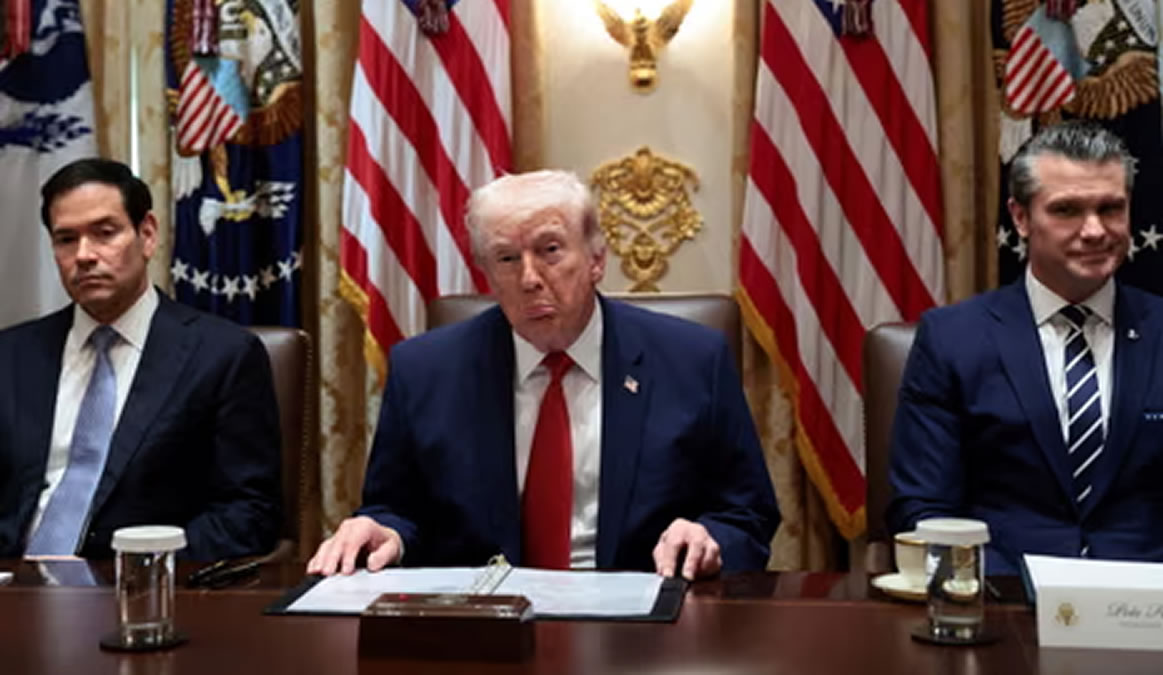
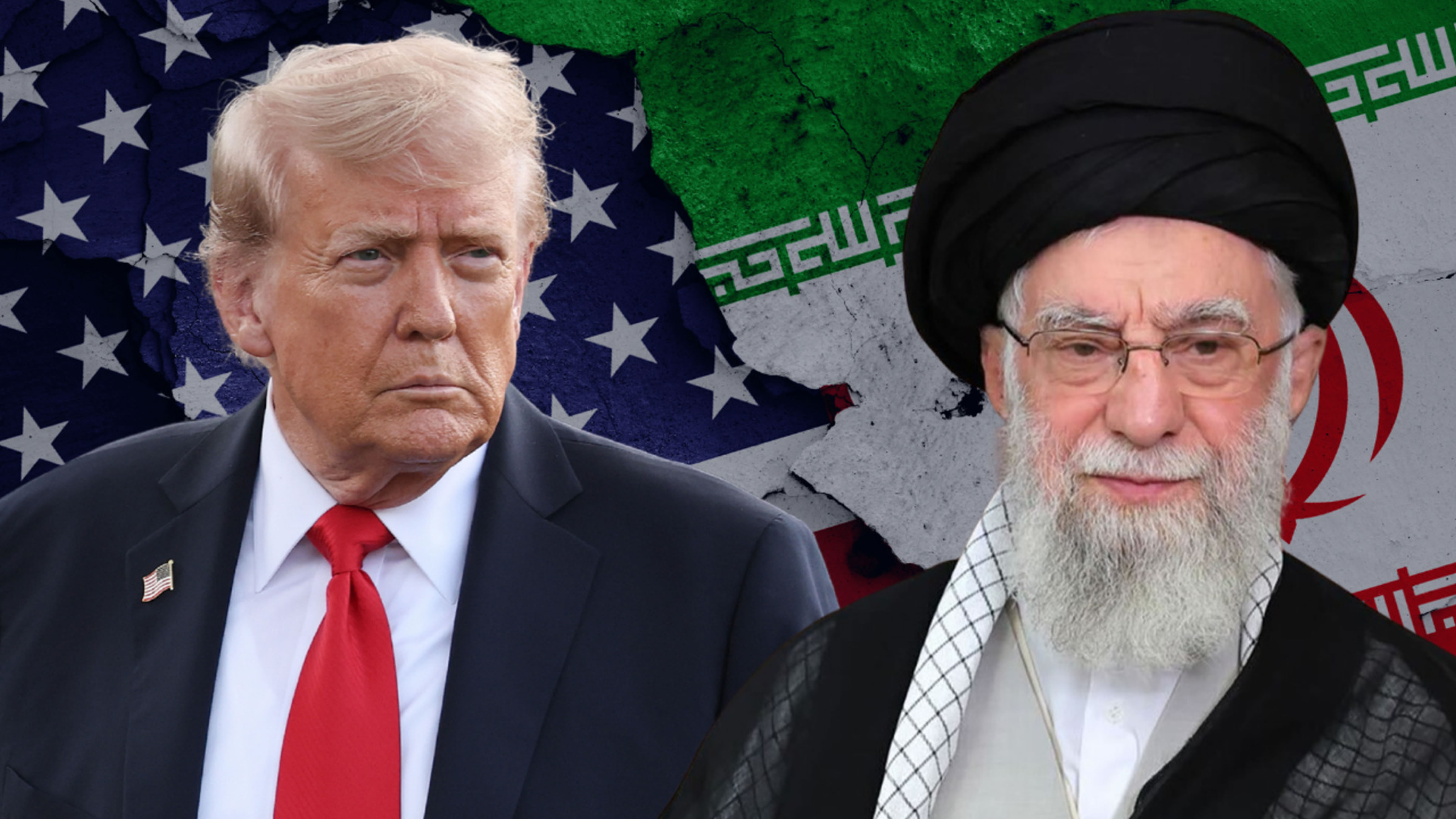
The escalating confrontation between the United States and Iran under President Donald Trump has increasingly been defined not by decisive victory, but by ambiguity, contradiction, and mounting costs. What began as a bold and aggressive campaign aimed at reshaping Iran’s political and military landscape has, over time, exposed the limits of military power in achieving complex geopolitical objectives. Despite early claims of success and repeated assertions of dominance, the broader picture that has emerged is one of strategic overreach, unintended consequences, and incomplete outcomes.
From shifting war aims to persistent regional instability, the Trump administration’s Iran strategy reveals a fundamental mismatch between ambition and reality. While certain tactical gains have been achieved, the overarching goals—particularly regime change, regional pacification, and long-term deterrence—remain elusive. In many respects, the conflict has not only failed to resolve longstanding tensions but has deepened them, reshaping the Middle East in ways that may ultimately disadvantage the United States.
This article examines how and why Trump’s Iran strategy fell short, exploring military, political, economic, and diplomatic dimensions of what many analysts increasingly describe as a strategic failure.
Expanding Goals, Shrinking Results
At the outset of the conflict, the Trump administration articulated an ambitious set of objectives. These included dismantling Iran’s missile and drone capabilities, halting any path toward nuclear weaponization, neutralizing Iran’s military forces, weakening regional proxy networks, and ultimately achieving regime change.
However, as the war progressed, these goals began to shift—often quietly and without formal acknowledgment. Initial expectations of rapid, decisive success gave way to a more fragmented and uncertain reality.
While U.S. and allied forces managed to degrade parts of Iran’s missile infrastructure and disrupt some military capabilities, Iran retained enough operational strength to continue retaliatory actions. Even optimistic assessments suggest that only a portion of Iran’s arsenal has been eliminated, leaving the country capable of sustained asymmetric warfare.
More importantly, the most politically significant objective—regime change—failed to materialize in any meaningful sense. Although Iran’s leadership experienced disruption, including the death of Supreme Leader Ali Khamenei, the transition of power to his successor did not produce the systemic transformation Washington had anticipated. Instead, continuity prevailed, and the regime adapted quickly to wartime conditions.
This pattern—initial ambition followed by recalibration—has become a defining feature of the campaign.
Military Success Without Strategic Victory
One of the central paradoxes of the conflict lies in the contrast between tactical achievements and strategic outcomes. On paper, the United States has achieved several notable military successes: airstrikes have damaged nuclear facilities, weakened segments of Iran’s armed forces, and disrupted logistical networks.
Yet these gains have not translated into decisive strategic advantage.
Iran has demonstrated a remarkable ability to adapt, relying on decentralized tactics, proxy networks, and asymmetric strategies. Even as its conventional military capabilities have been degraded, it has continued to exert influence through nontraditional means, including maritime disruption and regional militias.
The Strait of Hormuz—a critical chokepoint for global energy supplies—remains a key example. Despite sustained military pressure, Iran has retained the capacity to disrupt shipping and leverage the waterway as a geopolitical tool. This has contributed to global economic instability and undermined confidence in U.S. control of the situation.
In effect, the war has highlighted a familiar lesson from modern conflicts: destroying infrastructure and military assets does not necessarily equate to achieving political objectives.
Economic Fallout and Global Repercussions
Beyond the battlefield, the economic consequences of the conflict have been profound and far-reaching. Rising oil prices, disrupted trade routes, and uncertainty in global markets have created ripple effects that extend well beyond the Middle East.
Iran, despite being under heavy bombardment and sanctions, has managed to exploit certain economic dynamics to its advantage. In particular, its ability to influence oil flows and selectively control access to key shipping routes has provided leverage that offsets some of the damage inflicted by U.S. actions.
At the same time, U.S. allies have faced increasing strain. European nations, already dealing with energy challenges, have been forced to navigate rising costs and supply disruptions. Gulf states, traditionally aligned with Washington, have found themselves exposed to new risks and uncertainties.
Perhaps most significantly, geopolitical rivals such as China and Russia have benefited from the situation. By positioning themselves as alternative partners and capitalizing on shifting energy markets, these countries have gained strategic advantages at the expense of U.S. influence.
The net result is a global environment in which the United States appears less dominant and more constrained than before the conflict began.
Diplomatic Isolation and Loss of Credibility
Another critical dimension of the failure lies in the realm of diplomacy. Effective foreign policy depends not only on military strength but also on credibility, trust, and the ability to build coalitions.
In this regard, the Trump administration’s approach to Iran has faced significant criticism.
Negotiations that were underway prior to the escalation were abruptly overtaken by military action, raising questions about the sincerity of diplomatic efforts. Critics argue that this sequence of events undermined trust and damaged the United States’ reputation as a reliable negotiating partner.
This erosion of credibility has broader implications. Future negotiations—whether with Iran or other adversaries—may be complicated by doubts about U.S. intentions. Allies, too, may become more cautious in aligning themselves with American initiatives, particularly if they perceive a risk of sudden policy reversals.
Diplomatic isolation has also manifested in the international response to the conflict. While some countries have offered support, others have expressed concern or outright opposition, particularly regarding the humanitarian impact of targeting infrastructure such as bridges and power plants.
Humanitarian Concerns and Legal Questions
The conduct of the war has raised serious humanitarian and legal concerns. Reports of strikes on civilian infrastructure, including bridges and energy facilities, have sparked debate about compliance with international law.
Legal experts have pointed to the Geneva Conventions, which prohibit attacks on civilian objects, as a framework for evaluating these actions. The potential targeting of such infrastructure has intensified scrutiny of U.S. military strategy and raised the specter of war crimes allegations.
Beyond legal considerations, the human cost of the conflict has been significant. Thousands have been killed, and millions displaced, contributing to a broader humanitarian crisis that continues to unfold.
These factors not only affect the immediate victims but also shape global perceptions of the United States, influencing public opinion and diplomatic relations.
Escalation Without Endgame
One of the most striking aspects of the conflict is the absence of a clear and achievable endgame. Despite ongoing military operations and escalating rhetoric, the Trump administration has not articulated a coherent strategy for concluding the war.
Statements suggesting further escalation—including threats to target additional infrastructure—have added to the sense of uncertainty.
This lack of clarity has practical consequences. Without a defined endpoint, the conflict risks becoming a prolonged and costly engagement, draining resources and attention from other strategic priorities.
Moreover, shifting objectives and inconsistent messaging have made it difficult to assess progress or measure success. What constitutes victory in this context remains अस्पष्ट, both for policymakers and the public.
Strengthening the Opposition
Ironically, one of the unintended consequences of the conflict has been the strengthening of hardline elements within Iran. Rather than weakening the regime, external pressure has, in some respects, consolidated its power.
The rise of more hardline leadership following internal upheavals has reduced the likelihood of moderation or reform. At the same time, nationalist sentiment has been reinforced, enabling the government to rally public support against a perceived external threat.
This dynamic underscores a recurring challenge in international politics: external intervention can sometimes produce the opposite of its intended effect, reinforcing the very structures it seeks to dismantle.
A Strategic Miscalculation
Taken together, these factors point to a broader conclusion: the Trump administration’s Iran strategy represents a significant strategic miscalculation.
The decision to pursue maximalist objectives without a clear path to achieving them, combined with an underestimation of Iran’s resilience and adaptability, created a situation in which success became increasingly elusive.
The conflict has demonstrated the limitations of military power in addressing complex political and social realities. It has also highlighted the importance of aligning means with ends—a principle that appears to have been overlooked in this case.
Conclusion
The story of Trump’s إيران strategy is not one of outright defeat in the traditional sense. The United States remains a formidable military power, and it has achieved certain tactical successes. However, when measured against its original objectives, the campaign falls short.
Regime change has not been realized. Regional stability remains elusive. Economic and geopolitical dynamics have shifted in ways that may disadvantage the United States. Diplomatic credibility has been weakened, and the conflict shows no clear sign of resolution.
In the final analysis, the Iran war illustrates the dangers of overreach and the complexities of modern warfare. It serves as a reminder that even the most powerful nations cannot easily impose their will in a deeply interconnected and unpredictable world.
As the conflict continues, the long-term consequences of these decisions will likely shape U.S. foreign policy—and global geopolitics—for years to come.




Comments (0)
Log in or register to leave a comment.
No comments yet. Be the first to share your thoughts!